
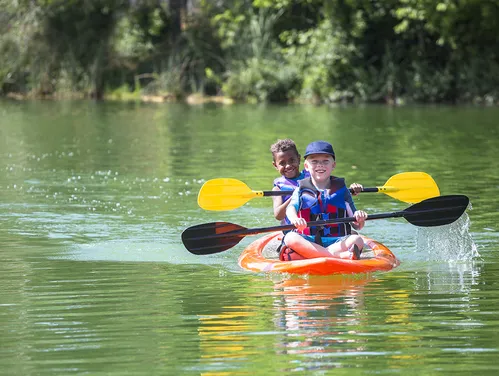
Iowa lakes and rivers will soon be busy with paddlers, boaters, swimmers and people wading to search for fossils, rocks and driftwood or to clean up litter.
Rivers are dynamic systems that change with high flows and have obstacles hidden just beneath the water surface. Iowa rivers can have sudden drop-offs, holes, submerged shelves, foot holds and rock ledges. Current strength is often deceiving even for strong swimmers.
Some rivers in northwest, north-central and central Iowa are swollen and swift with recent consistent rainfall. Stay on lakes and flat-water while the rivers are high.
Water is refreshing and fun, but it’s essential to know how to stay safe in and around water to prevent accidental drownings.
Air temperatures may feel like summer but water temperatures are much cooler, especially below the surface. Cold water (below 70 degrees) reduces body heat 25 to 30 times faster than air does at the same temperature. Once your body is submerged in the cold water, your initial instinct is to survive. Your breathing becomes involuntarily uncontrollable as you gasp for air and inhale water. Don’t panic, you have one minute to get your breathing under control and make a plan to self-rescue.
Drowning is swift and silent — there may be little splashing or cries for help. It only takes half a cup of water for somebody to drown.
Follow these tips and precautions to keep you and your friends and family safe while having fun on the water this summer.
Swimming Safety
- Don’t dive in; ease into the water slowly.
- Swim with a buddy.
- If you haven’t swam in a long-time, refresh your abilities. All children should learn to swim with formal lessons.
- Always wear a life jacket. Make sure kids wear their life jackets before getting in the water.
- Keep a close eye on others, especially children. Assign a designated adult to watch over children, and never assume someone else is watching them. Be close enough to touch the child at all times. Even in ankle deep water, the current can be strong enough to sweep you off your feet and out into deeper water.
- Know the early symptoms of hypothermia, including shivering, blue lips, slurred speech or mumbling, drowsiness or very low energy or confusion.
- Learn how to perform CPR. If you are already certified, learn the latest techniques and refresh your skills by recertifying. Check with your local hospital, workplace or doctor’s office for training opportunities.
- Take a water bottle with you and keep it nearby throughout the day. It's easy to get dehydrated in the sun, particularly if you're active and sweating. Drink plenty of water to prevent dehydration. Early signs of dehydration can include dizziness, feeling lightheaded or nausea.
Paddling Safety
- Always wear a properly fitted lifejacket. Kids under age 13 must wear a life jacket at all times when the vessel is underway. The vessel must have enough life jackets for all members on board.
- Paddle with a group, not by yourself
- Tell a friend or loved one where you will be paddling, including what access to what access, and when you are expected to return. It will be easier to find you if you need help.
- Avoid swimming, wading, paddling or boating near low-head dams. Often difficult to see from upstream, low-head dams have deadly recirculating currents. Watch for warning signs, listen for rushing water, and get out and scout when in doubt.
- Stay clear of downed trees, bridge piers, scrap metal or clusters of rocks or concrete. Avoid wading in fast water. Bridge construction projects across Iowa could close some sections of rivers this summer. Look for known hazards that have been reported to DNR through their interactive river map at www.iowadnr.gov/paddlingmap.
- Always know your river conditions before you go paddling. For the latest river conditions, contact Iowa DNR Customer Service at 515-725-8200 or your local county conservation board for updates.
- Bring along a dry bag with a set of extra clothes you can change into if you get wet, a first-aid kit and a protected cell phone or weather radio.
- Pack plenty of water to stay hydrated. Wear light, loose fitting clothing that dries quickly. Wear a hat, sunglasses and plenty of sunscreen.
- Find individual water trail maps, including access points at iowadnr.gov/water-trail-maps.
Boating Safety
- Alcohol and boating don’t mix. Wind, sun, glare and heat can enhance the effects of alcohol hindering the operator’s ability to make decisions.
- Always wear a properly fitted lifejacket. Kids under age 13 must wear a life jacket at all times when the boat is underway. The vessel must have enough life jackets for all members on board.
- Check for open ramps or water hazards before heading out.
- Before leaving the house, check the trailer lights, wheel bearings and the hitch.
- Make sure there is a current fire extinguisher and horn/whistle, a wearable life jacket for everyone and a USCG approved throwable device onboard.
- File a float plan with a friend, including your destination, expected time of return and type of boat.
- Take a boater education course. Iowa law requires any person 12-17 years old, who will operate a motorboat over ten horsepower or a personal watercraft, to successfully complete the education program.
Iowa HSEM and DNR recommend safety tips for summer recreation: Plan, Protect and Play
To make summer safety simple, the Iowa Department of Homeland Security and Emergency Management (HSEM) and the Iowa Department of Natural Resources (DNR) have launched a new website: ready.iowa.gov/summersafety. The site focuses on three easy steps: Plan, Protect, and Play, so you can spend more time enjoying the outdoors and less time worrying.
Take a few minutes now to look over the tips and get ready for a safe summer! On the new webpage, you will find information that includes:
- Plan: Sign up for Alert Iowa or download the Smart911 App to receive weather alerts statewide. Explore resources to help you plan the perfect hike or camping trip.
- Protect: Practical tips for staying hydrated and dealing with summer pests.
- Play: Find information on safe boating, purchasing DNR licenses, and enjoying the outdoors responsibly.
Throughout the Spring and Summer months, HSEM will share information and resources to help Iowans learn more about staying safe during the summer. Follow the department on social media, Facebook, facebook.com/IowaHSEM, X (formerly Twitter), X.com/IowaHSEM.