
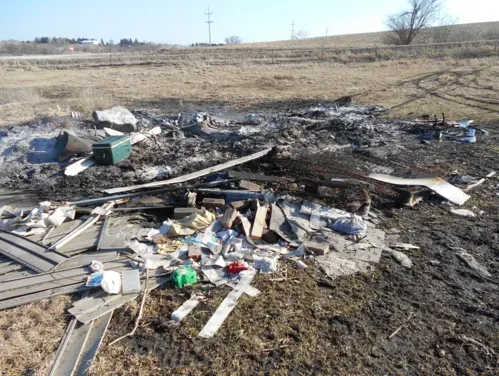
DES MOINES - As the weather warms up and spring cleaning begins, the Iowa Department of Natural Resources (DNR) is reminding residents that keeping our state beautiful is a shared responsibility.
Today’s waste materials often contain potentially toxic chemicals that can be released into the air, land, and water when burned or dumped illegally. These pollutants can negatively impact human health and the environment.
Protecting Our Air: Open Burning Rules
To reduce health and environmental hazards, it is essential to follow DNR regulations along with county and city ordinances.
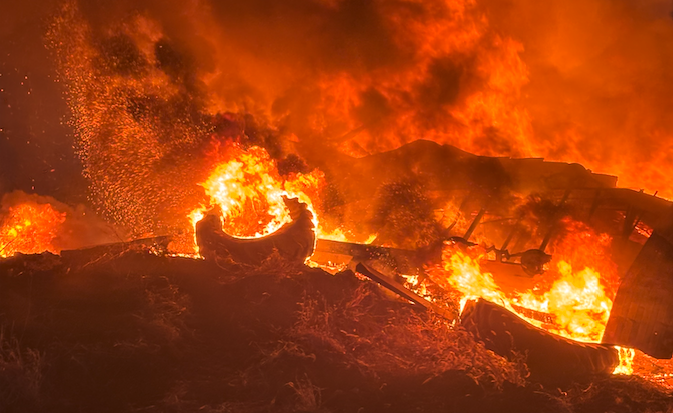
It is illegal to burn these items in Iowa. Once pollutants are in the air, there is no way to prevent them from depositing on crops and water sources.
- Household Items: Garbage, recyclables, plastic, metals, carpet, and furniture.
- Construction Debris: Asphalt shingles, materials containing asbestos, and demolition waste.
- Treated Wood: Railroad ties and any wood treated with chemicals.
- Rubber & Petroleum: Tires and oil-based products.
- Other: Dead animals and petroleum products.
There are a few exceptions to the open burning rules, provided no local ordinances or burn bans prohibit them:
- Landscape Waste: Leaves and tree trimmings that originated on your property (they cannot be transported to another property for burning).
- Training fires: A fire set for the purposes of conducting bona fide training of public or industrial employees in firefighting methods.
- Recreational Fires: Small fires for cooking, heating, or ceremonies.
- For more information, visit the Iowa DNR Open Burning page.
Burn Bans
Weather conditions often dictate when you can burn materials. This spring, several Iowa counties have active burn bans in effect due to dry conditions and high winds. Residents should check the State Fire Marshal’s Burn Ban Dashboard or with their local fire department before starting any fires.
The High Cost of Illegal Dumping
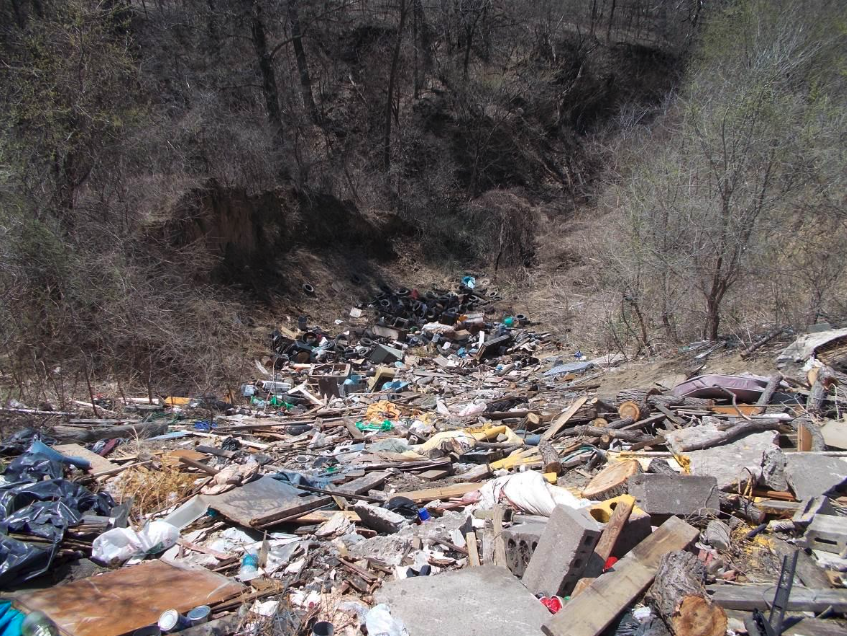
Illegal dumping, which is the improper disposal of waste, along roadsides, in fields, or in ditches, is prohibited. Whether it involves a bag of trash or an old refrigerator, just because something is "out of sight" does not mean it belongs "in a ditch."
Impact on Communities
- Safety Hazards: Debris left along roadways presents a significant danger to travelers.
- Public Health: Hazardous waste from dumping sites can seep into soils and groundwater. These sites also become breeding grounds for insects and rodents, diminishing the quality of life in our communities.
- Economic Burden: Illegal dumping can result in fines and cleanup costs that reach thousands of dollars.
Penalties for Violators
Under the Iowa Code, open dumping and open burning could result in further enforcement from the Iowa DNR. Enforcement could include a civil penalty.
How You Can Help
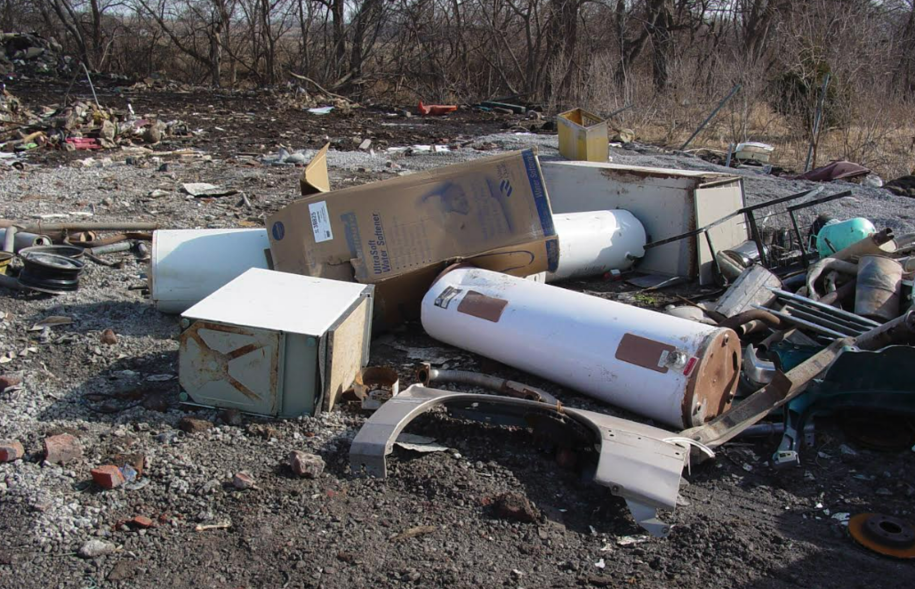
- Instead of burning or dumping, consider eco-friendly alternatives like composting or utilizing your local Regional Collection Center (RCC). An RCC is a free service available to households for proper disposal of hazardous materials like paint, insecticides, and electronics. Many communities also offer specific spring curbside pick-up days for bulky items. This service is available for eligible small businesses and schools as well.
- If you are part of a business, school, or non-profit, the Iowa Waste Exchange (IWE) is a premier materials exchange program that matches groups producing waste with those who can reuse or recycle it. This no-cost, confidential service has kept more than 4.5 million tons of material out of landfills since 1990. Interested parties can search for materials they need or list the materials they generate on the Iowa Waste Exchange Material Search.
By following these guidelines, Iowans can help prevent contaminating our air, water, and soil.
For additional questions or to report illegal burning or dumping activity, residents can contact their local DNR Field Office.