
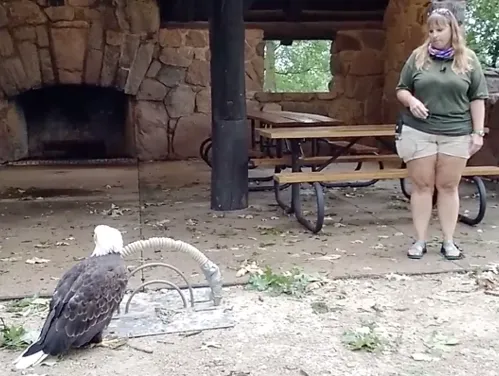
Meet Christina Roelofs - Naturalists and Raptor Specialist
Christina began her journey as a Naturalist while in High School. After graduating high school in NW Iowa, She attended Northwestern College in Orange City majoring in Biology-Environmental Science, a four-year degree. After college graduation, Christina took a job with the Shelby and Audubon County Conservation Boards as their full time Naturalist. After a few years, the Shelby County Conservation Board formed a partnership with the Iowa DNR for a shared Naturalist position. Christina has been a Naturalist for 24 years. She oversees the Shelby County Raptor Program.
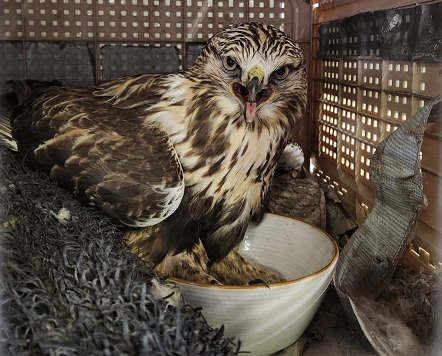
The work of a Naturalist is varied. The main part of their job is Environmental Education. They do education in many different places – in school, on field trips, for the public, summer camps and teacher workshops. They work with all different ages of people – from preschool to nursing homes.
Many Naturalists work in nature centers. Most nature centers have education animals (reptiles, amphibians, some have education birds). These animals must be trained and cared for. Communication is a large part of being a naturalist, and not just during programs. Naturalists work with the public answering questions and concerns. They may put together newsletters or write articles for newsletters or newspapers. They may design social media posts and program/event advertisements. Naturalists communicate with teachers and organizations to schedule educational programs. Each day is a little different when you work as a Naturalist.
Data Set, Graph, Learning Tools
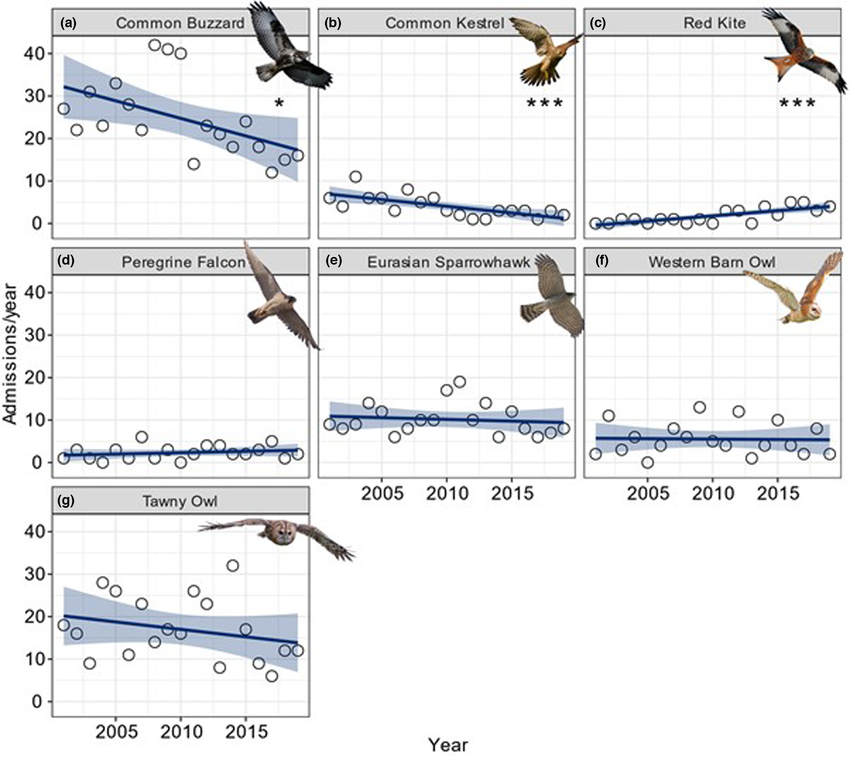
Raptors are a group of birds that include hawks, owls, falcons and eagles. The word raptor is a Latin word that means thief. The things that raptors have in common are:
- Sharp hooked beaks (for ripping their prey into pieces)
- Strong feet (Bald Eagles can squeeze up to 400 pounds per square inch and Great Horned Owls up to 500 pounds per square inch)
- Sharp talons (for killing their prey and holding it so it can’t get away)
- Great eyesight (Bald Eagles can see a rabbit a mile away and know that it is a rabbit)
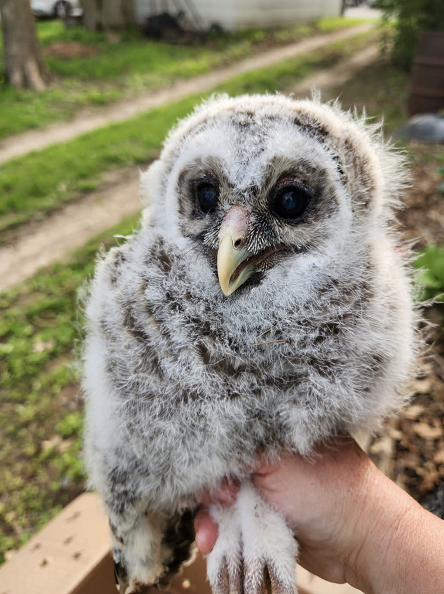
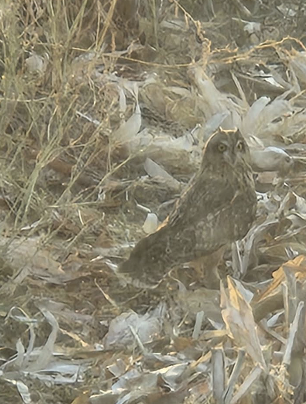
Raptors are carnivores. Their diets may range from insects to fish to reptiles/amphibians to mammals. Each group of raptors has its own special adaptations. Falcons are very fast with angular wings. Owls fly silently, have huge eyes, can turn their heads 270 degrees, and have uneven ears. The birds in this group have so many fascinating adaptations.
Learn More
For more information or questions, please contact [email protected]