

On this page...
Sign up for the Fall Colors Report
Get your fall color fix! Check out timing and location for peak autumn hues.
2026 Fall Color Reports
It's leaf-peeping time. Get details on where to see the best fall color in Iowa. Next week will be the last fall color report for the 2026 season.
Back to top
Fall Tree Color Information
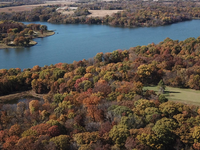
Fall is often one of the best times in Iowa, with warm days and cool nights, low humidity, very few insects and the brilliant autumn colors of our trees.
Every year, thousands of Iowans and visitors flock to the countryside to view nature's colorful display of red, orange, yellow and purple leaves.
Looking for ways to enjoy Iowa's fall color? Visit Iowa Tourism.
Ash:
Green ash leaves turn yellow, but white ash has a purplish cast. The leaves fall after those of walnut trees, but earlier than those of oaks and maples.
Elms:
Elm leaves turn various shades of yellow with some turning brown before falling, others falling while still yellow.
Hickory:
Leaves turn yellow on hickory trees, then brown before falling.
Maple (Soft):
The leaves of soft (silver) maples turn yellow but do not turn brown before falling.
Maple (Hard):
Brilliant flame red hues are the signature of hard maple leaves. The red pigmentation of some leaves breaks down before falling.
Bur Oak:
Buff to yellow colors predominate in bur oaks. The leaves remain on the tree and turn brown before falling.
Oak (Red):
The red oaks have brilliant red leaves in fall though the color is probably not as intense as that of some hard maples.
Oak (White):
White oaks have a more subdued purple fall leaf color. The leaves then turn brown and often stay on the tree until new leaves begin to grow in the spring.
When do colors peak?
Peak fall color occurs in northeast Iowa, on average, during the weekend closest to October 10.
Typically, peak fall color occurs progressively later the farther south you go in Iowa. Perhaps the most important thing about fall color is having the time to enjoy it.
Printable Fall Colors State of Iowa Map (3.92 MB) .pdf
Back to topFind Wellness in Nature this Fall
Autumn brings a welcoming crispness to the air. Spending time outdoors benefits both physical and mental health. From reducing stress to encouraging movement, nature offers a chance to slow down, reconnect and recharge.
Fun abounds statewide for those in search of fall color and good times outdoors. From fall festivals to apple orchards, Iowa has many fall activities to celebrate local traditions and create memories with your family. Start planning your autumn excursions today with these great resources:
- Iowa State Park Passport - discover your new favorite parks, check in to track your outdoor adventures and earn prizes
- Travel Iowa - must-visit fall attractions, fall festivals, scenic drives and more
- MyCountyParks.com - attend a fun fall program for the whole family at a local county park
- Project Learning Tree's Nature Activities for Families - explore trees in the woods, a local park or your own backyard
- Iowa’s Accessible Outdoors highlights locations across the state where visitors can enjoy accessible activities like trails, fishing piers, playgrounds, picnic areas, scenic views and overnight stays. Each experience has been reviewed in person by DNR staff to ensure there are accessible pathways, nearby parking, and—in most cases—restrooms.