
Physical Location
Location Address
1515 P Ave.
Madrid, IA 50156
Areas Served
Phone(s)

Park Alerts & Notices
For current closures or important information please visit, Park Alerts and Notices.
About the Park
Ledges State Park is one of Iowa’s most historic and unique nature destinations, especially for hikers and outdoor enthusiasts. A four-mile trail system winds through steep slopes and scenic overviews, with sandstone ledges towering 100 feet above the Des Moines River. Numerous 1930s CCC structures can be viewed throughout the park including an iconic stone bridge spanning Peas Creek.
An ideal destination for the seasoned hiker, daytime picnickers and campers, Ledges State Park takes visitors on a breathtaking excursion amongst Iowa’s natural beauty.

Sign up for Ledges Nature Notes
Stay informed with the latest news by signing up for news releases or adjusting your subscriber preferences whenever you like.
Plan Your Visit
- Hike the four-mile trail system that leads to spectacular views of Pea’s Creek “canyon.” While most trails are steeper in nature, a fully accessible interpretive trail to Lost Lake is also available at the southern end of the park. An interpretive trail is also located near the Oak Woods shelter and features lichens—small plant-like organisms growing on trees and rocks—so bring your magnifying glass to identify these creatures up close.
- Camp in one of the newly renovated campsites at Ledges. If you’re feeling adventurous, try one of the primitive hike-in sites. Modern restrooms, showers, a trailer dump station and playground are also located in the campground. Advanced reservations can be made through the online reservation system for Ledges State Park. 100% of the campsites are reservable and a reservation is required. The campground accepts reservations March - November and is closed December - February.
- Streamwalk Peas Creek along the Canyon Road. The creek is typically ankle deep and offers a unique way for kids and families to experience the outdoors.
- Visit the Hutton Memorial in honor of Murray Lee Hutton, a strong conservationist and first director of the Iowa State Conservation Commission in 1935. The Hutton Memorial is located on the north side of the canyon.
- Reserve one of two shelters at Ledges. The Oak Woods picnic shelter and nearby restrooms are located in the eastern area of the park and are fully accessible. The shelter in lower Ledges is dedicated to the park’s first custodian, Carl Fritz Henning. Both shelters can be reserved through the online reservation system for Ledges State Park and provide an affordable, scenic setting for your next outdoor gathering.
Concessions
Friends of the Ledges concession will be available most weekend evenings (Friday & Saturday) from Memorial Day through Labor Day.
Items for sale include:
- Souvenirs and other memorabilia
- Pre-packaged snack foods (pop, candy, ice cream, etc.)
- Convenience store-type items (bug spray, charcoal, sunscreen, etc.).
For more information contact the Friend's of the Ledges group at [email protected].
Amenities at a Glance
- Amphitheater
- Interpretive trails
- Hiking trails
- Playground
- Shelters
- Modern restrooms
- Showers
- Electric campsites
- Walk-to/non electric campsites
- Full hook-up campsites
- Youth group only
- Firewood sales
- Dump station
Explore the Park
- Ledges State Park map and flyer (821.82 KB) .pdf
- Ledges State Park campground map (498.03 KB) .pdf
- Special deer hunt information (1.11 MB) .pdf
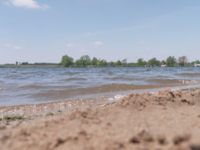
Beach Information
For current beach advisories please visit the beach monitoring dashboard or call the monitoring hotline at 515-725-3434.
The dashboard and hotline are updated on Fridays during the monitoring season.